

Electronic Health Records for Infectious Disease Research and Surveillance
Meeting Times:
- Wednesday, July 15, 9:00 AM – 5:00 PM
- Thursday July 16, 9:00 AM – 5:00 PM
- Friday July 17, 9:00 AM – 12:00 PM
Classroom: TBA
Module Summary:
This module covers best practices in using electronic health record data for infectious diseases studies and surveillance. At the end of this module, learners will be able to:
- Evaluate the utility of electronic health record data for their work
- Prepare a plan to use electronic health record data that incorporates an understanding of clinical workflows, as well as facilitators and barriers to this data source
- Examine their role in serving as a trusted data steward on any project using electronic health record data
- Experiment with basic analysis of deidentified, aggregate data from Epic Cosmos - a robust data platform by Epic
Module Content:
Day 1
- Electronic health records in action
- Clinician workflows
- Primary purpose of electronic health records
- Discrete data versus notes
- Health data standards
- Pre-work before any project using electronic health record data
Day 2
- Serving as a trusted data steward
- Epic Cosmos
- Exercise: Learners will have an opportunity to explore deidentified aggregate data (i.e., tallies)
Day 3
- Novel ways to access electronic health record data
- Fast Healthcare Interoperability Resources (FHIR) data standard
- TEFCA (Trusted Exchange Framework Common Agreement)
Instructors

Elizabeth Sprouse, MPH
Chief Public Health Informatics Officer and Vice President of Population Health Informatics, Emory Healthcare
Adjunct faculty Emory University Rollins School of Public Health
Elizabeth's primary work sits at the intersection of clinical and public health informatics. She leads Emory Healthcare's office of public health informatics, seeking to advance public health technology to prevent disease and protect health, develop the public health informatics workforce, contribute to public health informatics research, and contribute to governmental policy and efforts associated with healthcare and public health data. Her work also focuses on applying technology to protect and manage the health care needs of population.
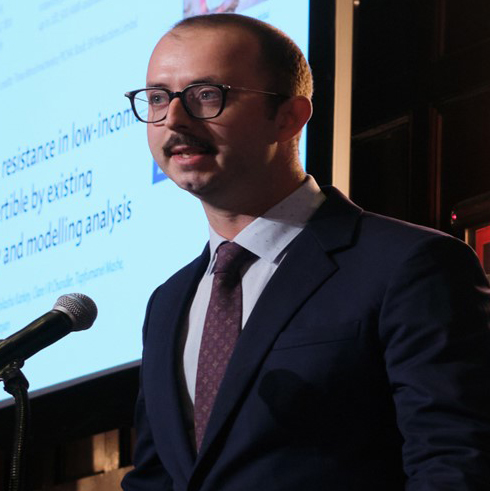
Joseph Lewnard, PhD
Associate Professor of Epidemiology, University of California, Berkeley
joint appointments in Computational Biology and Computational Precision Health
He leads studies of the epidemiology, transmission dynamics, and natural history of vaccine-preventable pathogens as well as postlicensure studies of vaccine effectiveness. With colleagues at Kaiser Permanente Southern California, he co-leads one of five Centers for Innovation in CDC's InsightNet National Outbreak Analytics & Disease Modeling Network, as well as the California Emerging Infections Program in conjunction with the California Department of Public Health.